
Back to Library
Back to Library
Shrubs
Myrtle-leaf milkwort
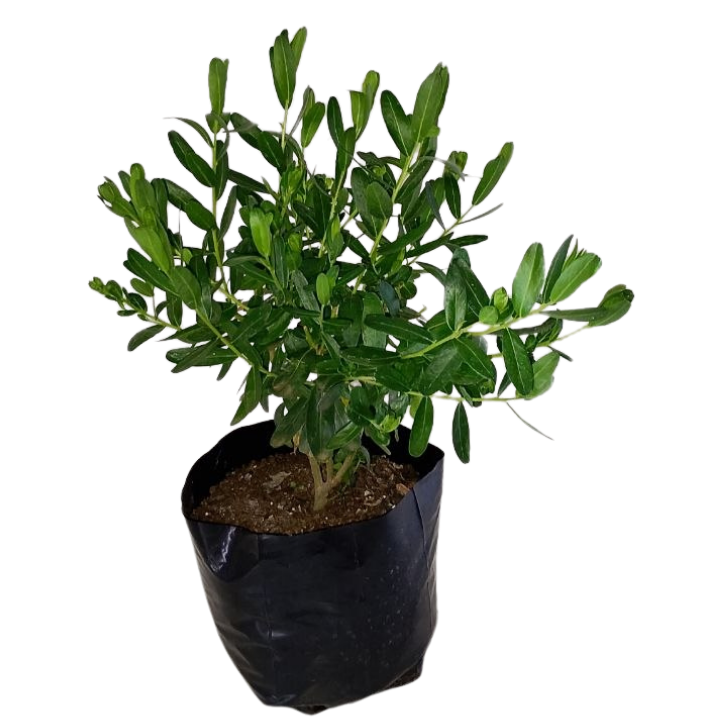
Polygala Myrtifolia
An evergreen shrub native to South Africa, with pollinator attracting Purple & White flowers.
Quick Care Summary
Light
Full sun to Partial Shade.
Water
Moderate
Mature size
1.5m Wide - 2mTall
Frost
Frost hardy
Difficulty
Medium
Flowering
Summer
How to Grow and Care
- Soil Requirements: The plant requires well-draining, fertile soil. A mix of sand, perlite, and peat moss in equal parts is ideal, with a slightly acidic to neutral pH of 5.5–7.0
- Watering: Water moderately, allowing the soil to dry slightly between waterings. Deep, infrequent watering encourages strong root growth, while overwatering can lead to root rot.
- For propagation, cut healthy 4–6-inch stems, strip lower leaves, dip in rooting hormone, and plant in well-draining soil in a bright, warm spot.
- Semi frost-sensitive, surviving in regions with down to -5°C, In colder climates, provide winter protection by covering the plant, moving it indoors, or placing it in an unheated greenhouse or conservatory
- Polygala myrtifolia produces vibrant mauve, pink, crimson, or white flowers from spring to autumn, sometimes nearly year-round in mild climates.
Best Uses
- Outdoor garden
- Patio / container
Growth and Size
- Height: 2m
- Width: 1m-1.5m
- Growth rate: Moderate
- Foliage: Green
Climate Suitability
- Soil condition: Good, aerated compost rich soil.
- Temperature: Frost resilient once established.
- Temperature: Warm & dry.
- Watering: Regular in dry warm climates.
- Wind: Tolerant
Maintenance Level
- Moderate maintenance
- Regular feeding recommended
- Fertilization: Feed Polygala Myrtifolia with a balanced, slow-release fertilizer during the growing season, typically in spring and late summer. Water the plant before and after fertilizing to ensure proper absorption. Avoid over-fertilization, which can weaken the plant and reduce flowering.
- Pruning: Regular pruning promotes bushier growth and abundant blooms. Remove dead, damaged, or diseased branches after flowering.
- Pests and Diseases: Monitor for aphids, whiteflies, and powdery mildew.